


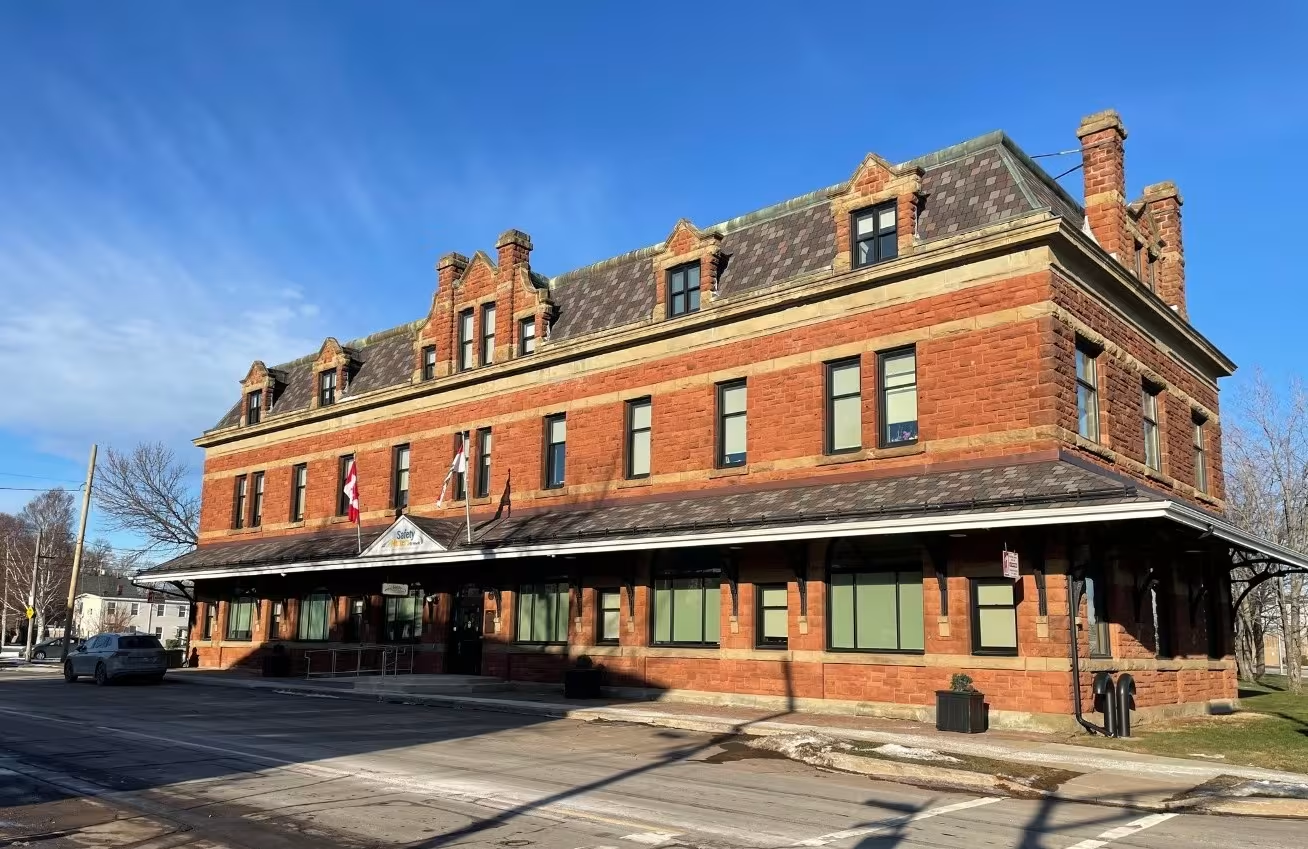
The WCB is an independent organization funded entirely by PEI's employers. We protect employers and workers with no-fault workplace injury and illness insurance and promote workplace health and safety for all Islanders. By working together, we can build a culture of workplace safety.
Our work is guided by our mission, and our values are reflected in who we are. We are governed by a Board of Directors and operated by a team of dedicated professionals.
We take pride in our history of protecting Island workers and employers, and our vision for the future is reflected in our strategic plan.
Mission, Vision and Values
Our Mission
We provide leadership in building safe and healthy workplaces, and support recovery, if an injury occurs.
Our Vision
Workplaces are safe. Injuries are eliminated. Service excellence is assured.
Our Guiding Principles
Integrity - We are fair and transparent, and take responsibility for our actions and performance.
Compassion - We value the diverse needs and perspectives of individuals, and treat people with respect and empathy.
Excellence - We demonstrate high standards and empower our people to innovate and continuously do things better.
Collaboration - We work with each other and our stakeholders to achieve our mission, while balancing worker and employer interests.
Accountability - We are stewards of PEI’s workplace safety and compensation system and its entrusted resources.
Our history
Before the workers compensation system was established, workers and employers had limited protection from the impacts of workplace injury and illness.
Workers who could afford legal action could sue their employers, but if the worker or a coworker contributed to the accident in any way, they had no recourse. Conversely, if a worker's lawsuit was successful, it could result in an employer being forced into bankruptcy.
In 1910, an Ontario Royal Commission, headed by William Meredith proposed a remedy: a historic trade off in which workers gave up the right to sue their employers for a guaranteed protection from loss of income regardless of fault.
Meredith's report led to the first Workers Compensation Act in Canada. In 1915, Ontario's Workers Compensation Act was proclaimed, based on the five Meredith Principles:
- No-fault compensation, in which workplace injuries are compensated regardless of fault, and the worker and employer waive the right to sue.
- Collective liability, so that the total cost of the compensation system is shared by all employers.
- Security of payment, with a fund established to guarantee that compensation will be available for injured workers when they need it.
- Exclusive jurisdiction, with all compensation claims directed solely to the compensation board.
- Independent board, that is autonomous and financially independent of government or any special interest group.
In 1949, PEI became the ninth province to pass workers compensation legislation when it passed An Act Respecting Workmen's Compensation. A benefit payment system that recognized long term loss of earnings based on the percentage of permanent impairment of the worker was implemented. This is commonly known as the pension system.
As a result of a decision of the Prince Edward Island Court of Appeal in 1991, the pension system was replaced by a wage loss system that compensates for the loss of earning capacity, as well the impact of the permanent physical impairment. The wage loss system became law in PEI on January 1, 1995, when new workers compensation legislation was proclaimed.
Under the wage loss system, entitlement to benefits is based on a comparison of a worker's pre-injury earnings to what the worker is capable of earning after the injury. This continues to be the system that is used today by the Workers Compensation Board.
Since 1995, there have been shifting priorities, new initiatives and many changes in Island workplaces. The impact of prevention initiatives on reducing workplace accidents has been recognized. The responsibility for administration of the Occupational Health and Safety Act was transferred to the Workers Compensation Board of PEI in 1996.
All jurisdictions in Canada provide workers compensation coverage through provincial and territorial legislation. More than 100 years after William Meredith’s principles were adopted in Ontario, they continue to serve as the foundation of workers’ compensation boards across Canada today.